Authors:
Mihai Gabriel Constantin (University Politehnica of Bucharest, Romania)
Steven Hicks (SimulaMet, Norway)
Martha Larson (Radboud University, Netherlands)
Introduction including co-location at ICMR
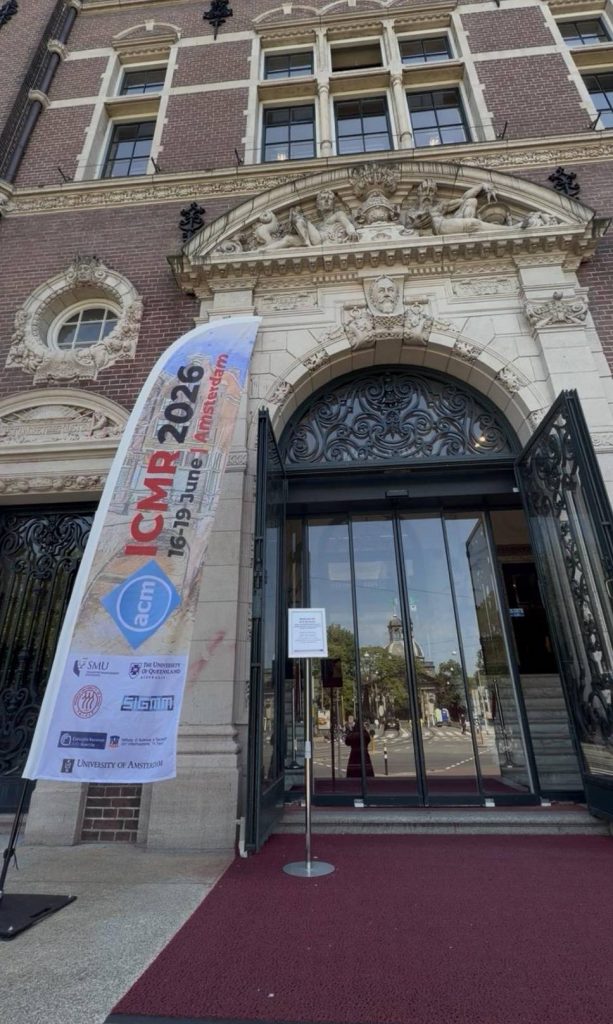
MediaEval, the benchmarking initiative for Multimedia Evaluation, brings together researchers each year to focus their research on a set of challenging tasks involving multimedia data. This year, MediaEval was co-located with the ACM International Conference on Multimedia Retrieval (ICMR) in Amsterdam and also welcomed participants online. Again in 2026, MediaEval was supported by SIGMM. The MediaEval community is thankful to both SIGMM and the organizers of ACM ICMR for making possible the success of the 16th annual MediaEval workshop.
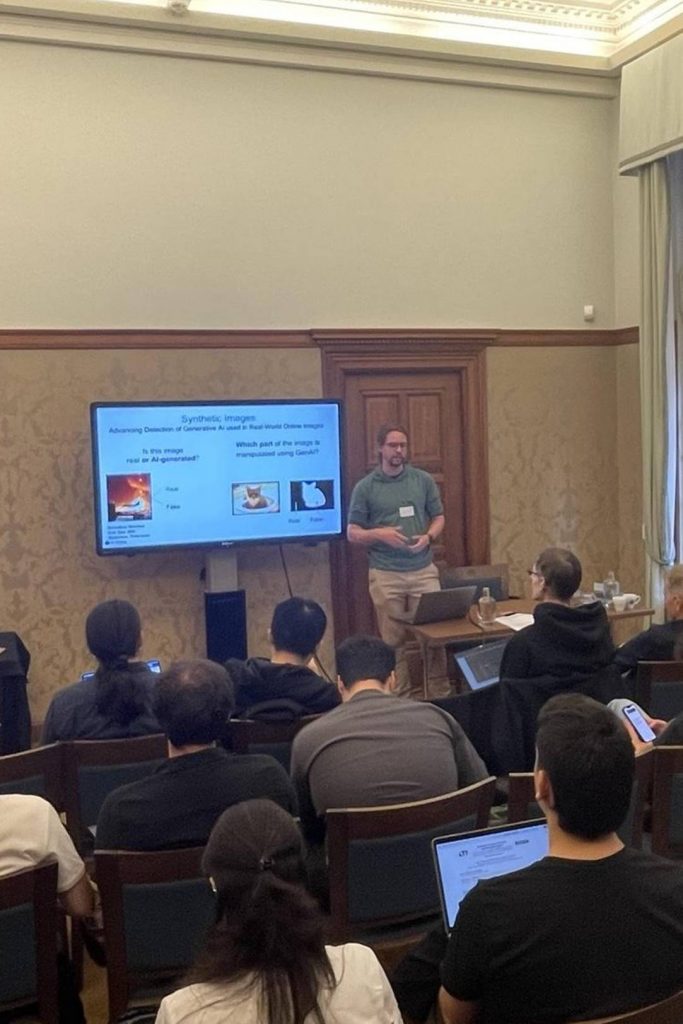
The tasks offered by MediaEval in 2026 covered a diverse range of domains, spanning social media, medicine, media processing, media retrieval, and generative AI, while maintaining the emphasis on human-centered AI, multimodality, and socially relevant topics.
Medico proposed a Visual Question Answering task for gastrointestinal imaging, with an emphasis on explainability, clinical safety, and multimodal reasoning. Memorability used data from short movie excerpts and commercial videos to determine the long-term memorability of videos. Missing Pieces and Misinformation challenged participants to build models that can detect arguments with implicit premises or conclusions in controversial social media posts. MultiSumm tasked participants with creating a multimodal summary of food sharing initiative (FSI) activities in a city, satisfying specified criteria. The NewsImages organizers created a task that pairs news articles with the most fitting images depicting their contents. Finally, Synthetic Images sought to advance the detection and localization of generative AI used on real-world images.
Workshop Keynote
Jaap Kamps of the University of Amsterdam delivered a keynote which gave workshop participants a perspective on the history of AI research in the Netherlands. The keynote discussed the intersection between Dutch Cultural Heritage and AI research, which dates back 25 years. Dutch expertise in AI for Cultural Heritage has been built over the years in a series of programs and projects, the latest of which is HAICu “digital Humanities – Artificial Intelligence – Cultural heritage”funded within a program of the Dutch Research Agenda. HAICu contributed to the organization of the 2026 MediaEval NewsImages task.
The keynote discussed the origin story of MediaEval, which began in 2008 as a track at CLEF called VideoCLEF. The track worked with data from Sound & Vision, the national institute for media culture in the Netherlands. Participants were invited to select videos to create topic-based RSS-feeds and represent each video by extracting a keyframe. The keynote also discussed the important role that digitization plays in preserving cultural heritage and perspectives on the ways that AI can help bring cultural heritage to life.
MediaEval Distinctive Mentions
MediaEval has a tradition of highlighting the contributions of participants who transcend traditional benchmarking. Such participants go beyond a narrow focus on test-set performance and also analyze interesting aspects of the tasks that they participate in. Their contributions include in-depth analysis of the data or exploration of interesting modalities, multimodal approaches, and the implications of modalities for a given task. The MediaEval benchmark iteratively improves its tasks on the basis of insights provided by participants that are related to the methodology or concepts deep within the tasks. MediaEval Distinctive Mentions (MDMs) have been a constant presence in MediaEval since 2013, representing one of the ways our initiative nudges participants towards broadening the focus beyond performance-only approaches.
This year, several teams stood out for digging deep into the data provided by the organizers, and were awarded MDMs: NTHU-CY (Hao-Tien Yu and Yi-En Dong) for their rigorous insight into EEG subject-variability biases in Memorability and to Jarno van Arkel, who created a comprehensive account of annotator disagreement in the Missing Pieces task. The work of team FAST-NU (Moez Ur Rehman) also received an MDM in the Missing Pieces task for their failure analysis that illuminated the task.
Other mentions recognized methodological contributions. MDMs were awarded for the generalizability of participating models, to team AIT-SoftBank (Hengwei Zhao and Takayuki Hori) and for a novel fusion method of complementary features to team ANLAM-NET-M (Berkay Bayramoglu, Ismail Erol, Rukiye Savran Kiziltepe, and Murat Karakus), both of the two teams in the Synthetic Images task, as well as for the results of their non-specialist models in the Medico task to team LaSID–UFSCar.
Early-Career Researchers at MediaEval
MediaEval puts SIGMM support to work in order to fund early-career researchers to take part in the MediaEval workshop, who would not have otherwise been able to attend the workshop in person. Three travel-grant awardees report on their experiences at MediaEval:
One aspect of MediaEval I truly value is its community-wide effort to go beyond mere metric-chasing and focus on a genuine ‘quest for insights.’ This spirit was incredibly evident throughout the event in Amsterdam. While we specifically presented our work in the ‘Memorability’ and ‘Synthetic Images’ tasks, the workshop provided an amazing platform to engage in deeply rewarding discussions with colleagues from around the globe. Observing the diverse and innovative approaches applied across all the entirely different tasks – not just our own – was a fascinating learning experience. It was truly inspiring to see different disciplines come together to share deeper reflections on their results in such a supportive environment. I thoroughly enjoyed being a part of this dynamic community, and I will definitely be participating again next year!
Berkay Bayramoğlu, Undergraduate Student, Software Engineering, Ankara University
Attending the MediaEval Benchmark for the very first time has been an incredible and unforgettable experience. Traveling all the way from Turkey with my teammate Berkay, we were completely captivated by the charm of Amsterdam and the breathtaking, historic architecture of the KIT Royal Tropical Institute building. This year, we challenged ourselves by participating in both the Synthetic Images and Media Memorability tasks, focusing our efforts on experimenting with novel, creative approaches. The workshop presentations were immensely informative, offering profound academic insights that helped us clearly identify key areas to improve in our own project while sparking fresh ideas for our future research directions. Beyond the technical sessions, connecting with researchers from various countries and experiencing different cultures was deeply rewarding. We absolutely plan to stay an active part of this inspiring community and look forward to participating in future MediaEval editions!
İsmail Erol, Undergraduate Student, Software Engineering, Ankara University
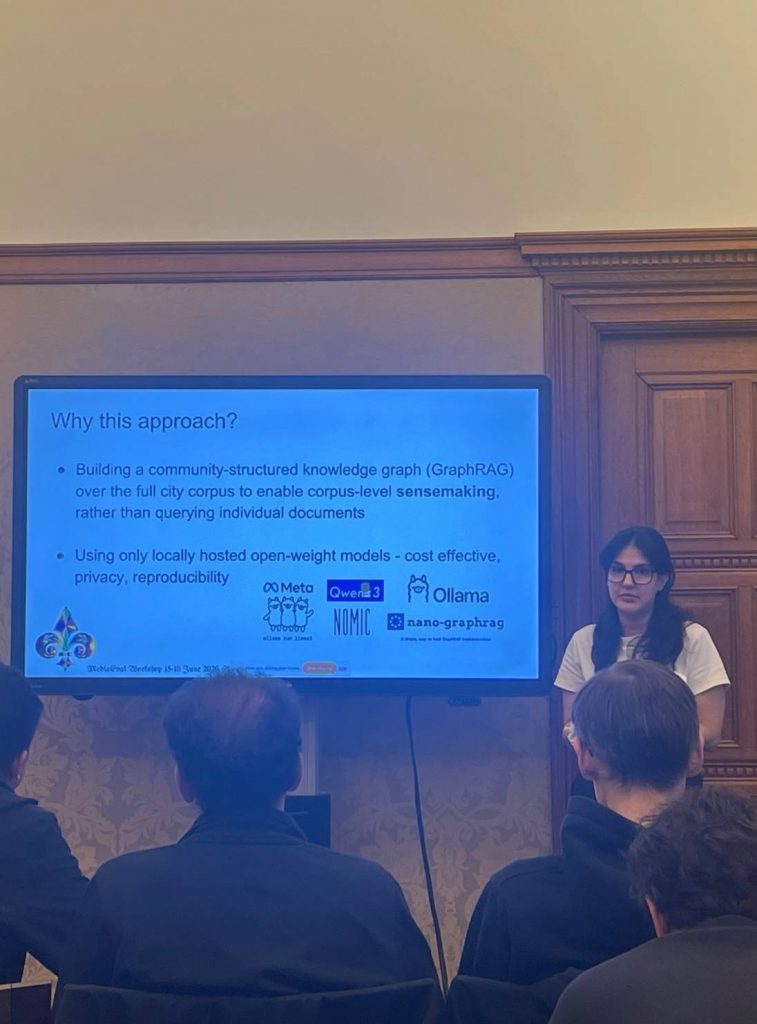
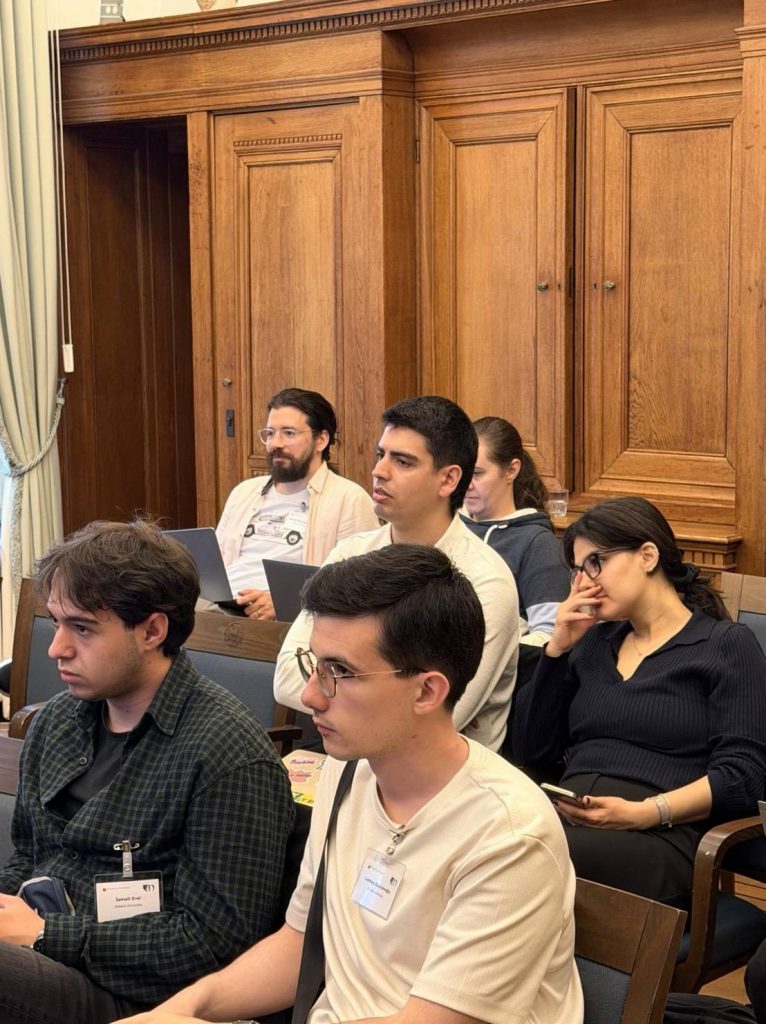
Participating in the MultiSumm task at MediaEval 2026 was my first experience with a MediaEval challenge, and it was an incredibly rewarding one. I joined the task because I had several ideas for approaching multimodal summarization and wanted to test my methodology and research skills in a benchmark setting. Throughout the challenge, the support from the organizers and supervisors was outstanding, creating a welcoming and encouraging environment.
I was very happy to be part of the MediaEval community, present our work, and learn from the approaches developed by other participants. Meeting researchers and students from different countries and at different stages of their academic journeys gave me valuable new perspectives. One of the highlights was the technical retreat sessions, where participants could discuss their methods in depth and receive feedback from people with diverse backgrounds and expertise.
I also appreciated that MediaEval encourages creativity and experimentation rather than focusing solely on numerical results. Finally, I am very grateful for the travel grant that enabled me to attend the workshop in person, meet members of the community, and experience the beautiful city of Amsterdam. Overall, MediaEval 2026 was an inspiring experience, and I hope to participate again in the future.
Kimia Rabishokr, Master’s Student in Data Science at ZHAW, Switzerland
MediaEval 2027
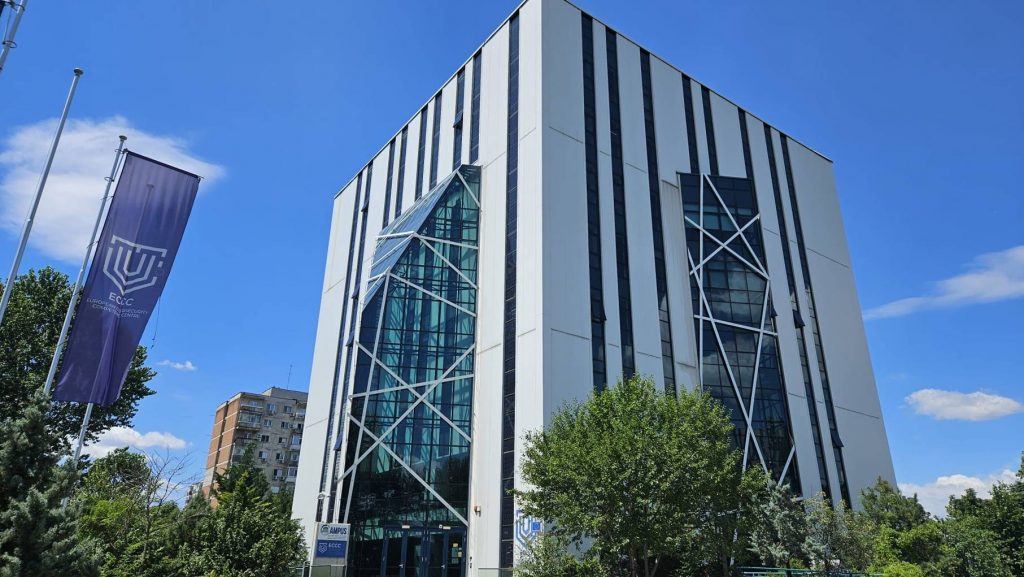
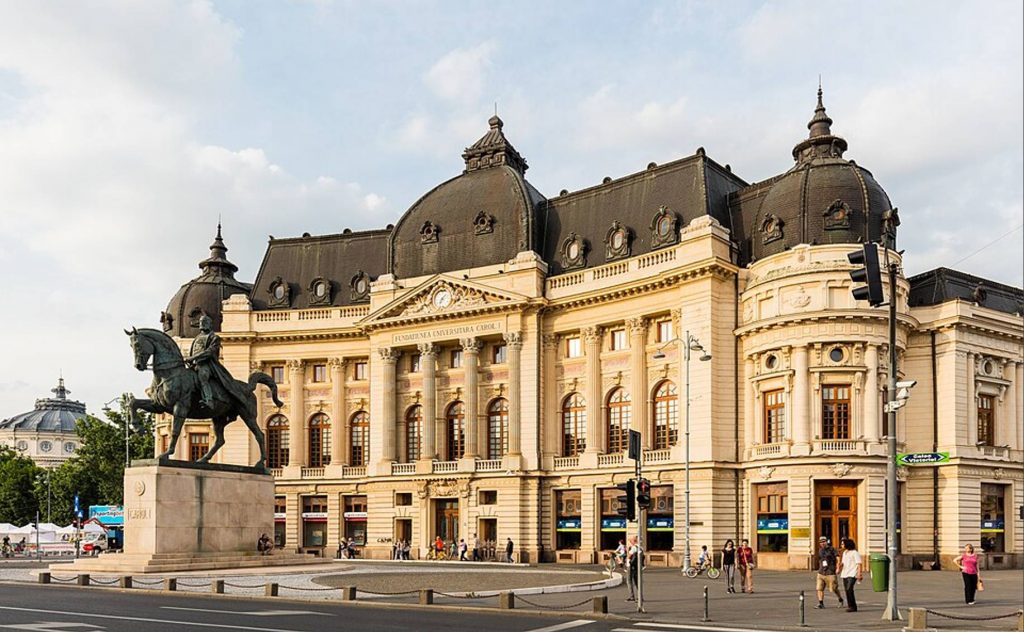
We are happy to announce that MediaEval 2027 will be held in Bucharest on Monday 13 September 2027 at the CAMPUS Research Institute, National University of Science and Technology Politehnica Bucharest, and will be co-located with CLEF 2027. We look forward to seeing you in Bucharest for MediaEval and CLEF. More information on the tasks offered in this edition will be available on the MediaEval 2027 webpage.