


The 23rd International Conference on Content-Based Multimedia Indexing (CBMI 2026) was held in Toulouse, France, from October 21 to 23, 2026. CBMI brings researchers working across multimedia analysis, indexing, retrieval, and related areas. The 2026 edition offered three days of scientific presentations, special sessions, demonstrations, and opportunities for exchange across domains and generations.
Alongside the scientific program, this year we wanted to create a stronger connection between the conference community and Master’s students who are beginning to consider their future academic and professional paths. With the support of ACM SIGMM and Région Occitanie, CBMI 2026 therefore organized a dedicated one-day program involving around 60 Master’s students. The objective was to give them direct exposure to an international research conference and, more importantly, to encourage them to see research as a possible future path.
Scientific highlights
The CBMI 2026 scientific program covered a broad range of topics at the intersection of multimedia, artificial intelligence, multimodal analysis, and information retrieval. Application domains ranged from agriculture, medicine, cultural heritage, human behavior to ethics.
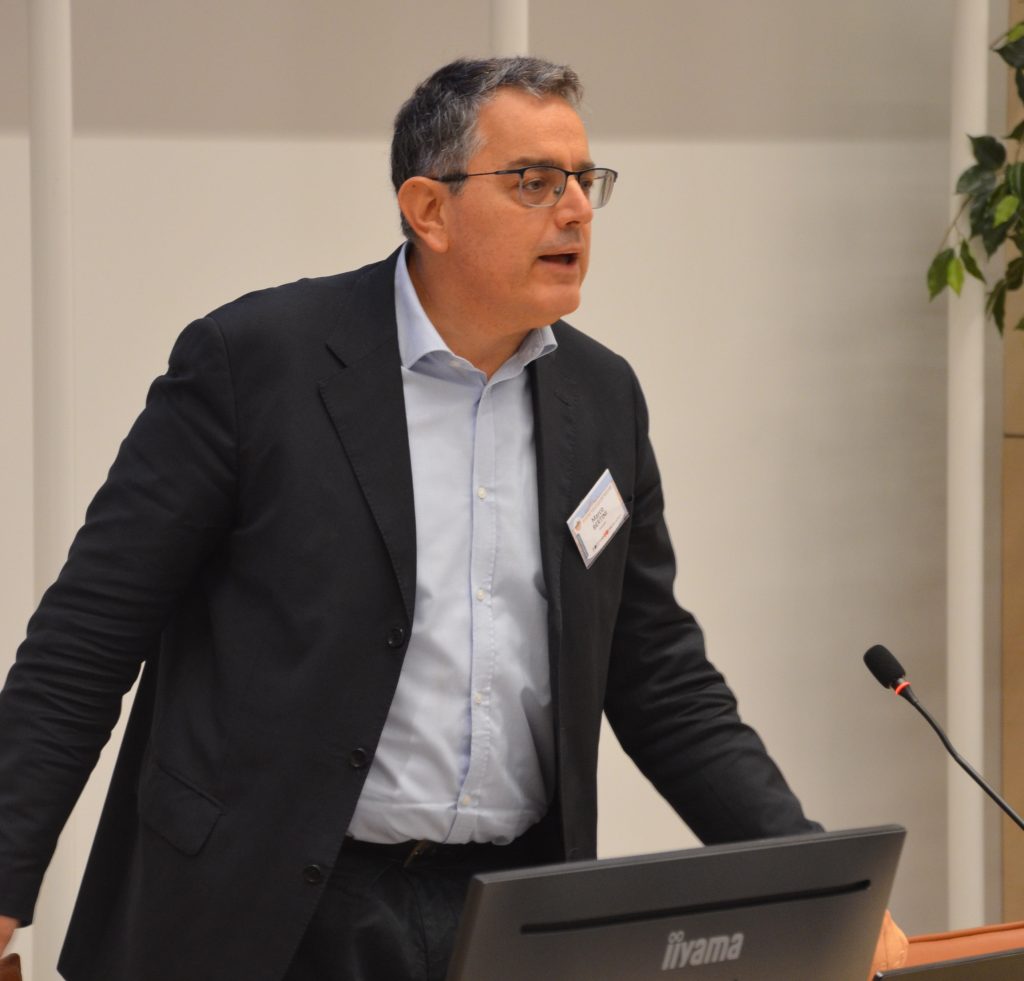
A highlight of the conference was the keynote by Marco Bertini, Associate Professor at the University of Florence and member of the Media Integration and Communication Center (MICC). His talk explored image-text alignment, from composed image retrieval to image quality assessment, illustrating the growing role of vision-language models and multimodal representations in multimedia research.
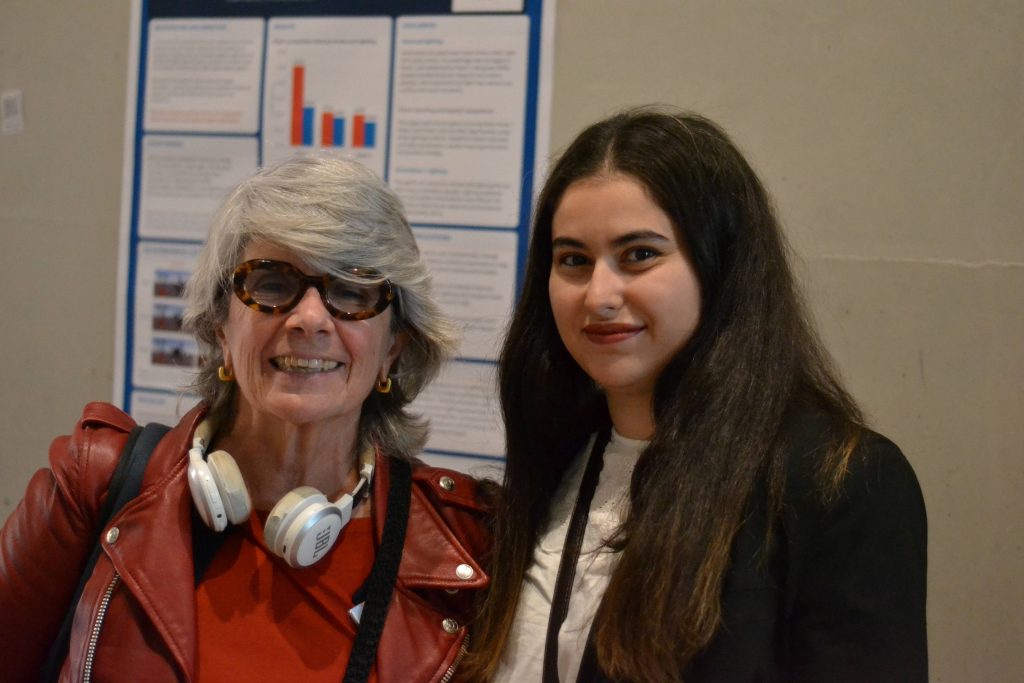
The conference also devoted attention to diversity and the place of women in the research community. A Women in AI event, chaired by Florence Sèdes, Professor at the Université de Toulouse, provided an opportunity to reflect on the role and visibility of women in science and artificial intelligence and on the importance of continuing to improve diversity within our research communities.
Supporting researchers at the beginning of their careers was another important dimension of CBMI 2026. Organized for the first time, the Doctoral Symposium, chaired by Björn Thor Jonsson (Reykjavik University) and Julien Pinquier (Université de Toulouse) provided early-stage researchers with a dedicated setting in which to present their work, discuss their research with members of the CBMI community, and receive constructive feedback and mentoring. Three doctoral papers were selected for presentation.
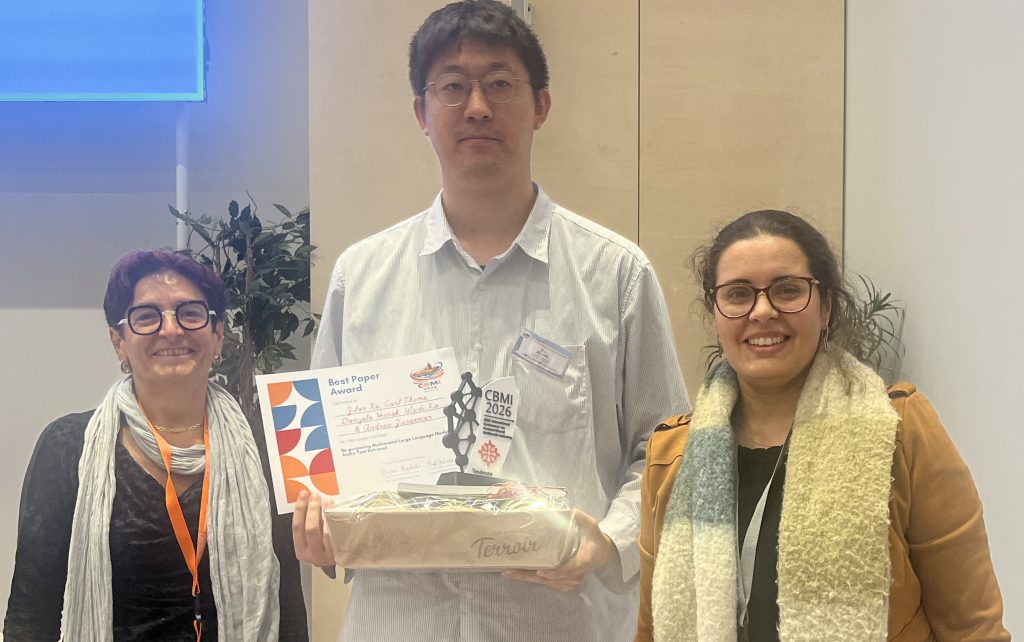
The conference also recognized outstanding contributions. The Best Paper Award was presented to “Re-purposing Multimodal Large Language Models for Audio-Text Retrieval” by Jilan Xu, Carl Thome, Danijela Horak, Weidi Xie, and Andrew Zisserman. The work investigates how multimodal large language models can be repurposed for audio-text retrieval.
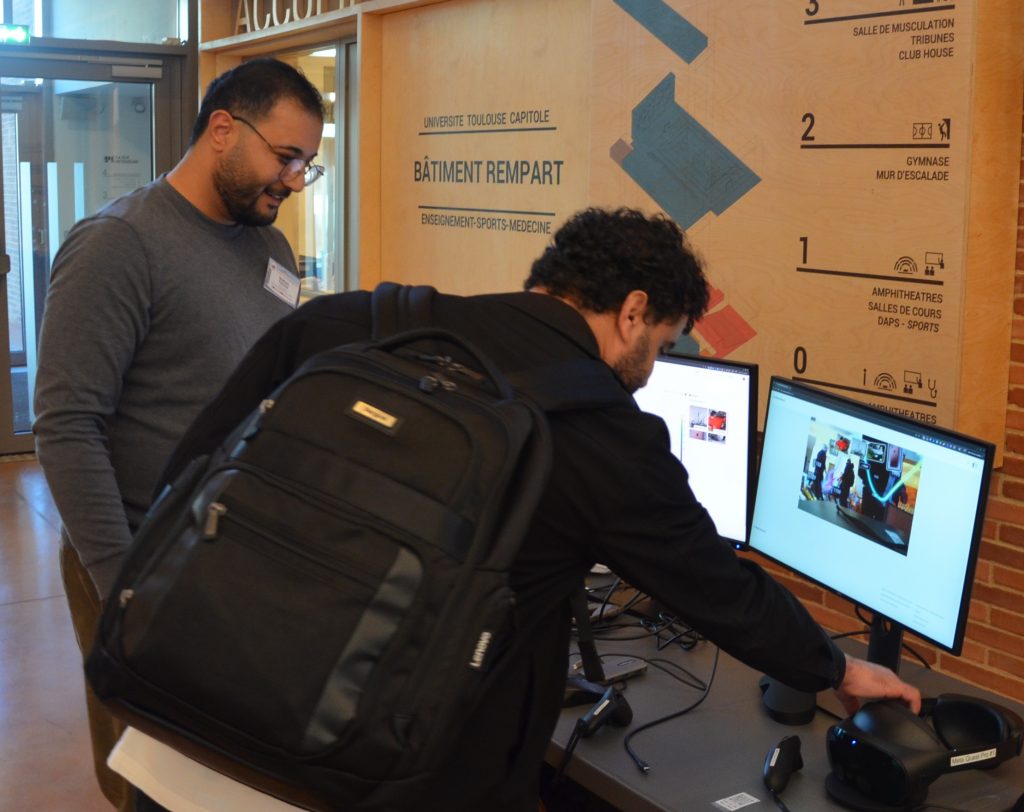
The Best Demo Award went to “TimeLineXR: An Interactive Exploration of Time in Vision-Language Models” by Nidham Tekaya, Markus Passecker, and Matthias Zeppelzauer, highlighting the importance of interactive demonstrations as a means of exploring and communicating emerging multimedia research.
The Master’s students joined CBMI for one full day designed to expose them to several complementary aspects of research.
During the morning, they attended the keynote talk and selected conference sessions. Rather than learning about research only through university courses, the students could see researchers presenting recent results, discussing open questions, and exchanging ideas in an international scientific setting.
This immersion was an important part of the initiative. Before asking the students to develop research ideas of their own, we wanted them to experience how research questions are presented and discussed by an active scientific community.
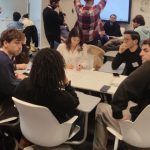
The afternoon then shifted the students from observers to participants through an Ideation Workshop on the theme Culture and AI.
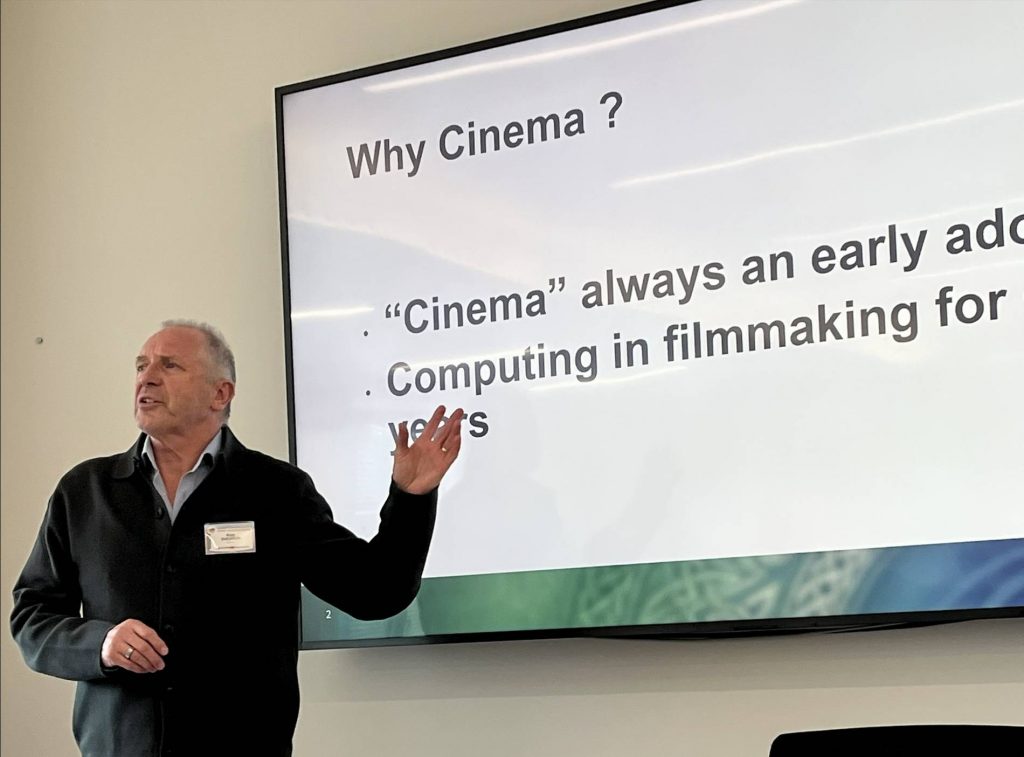
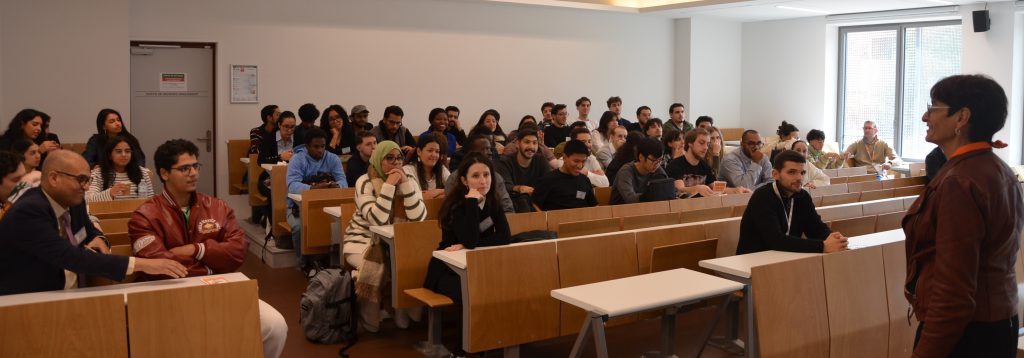
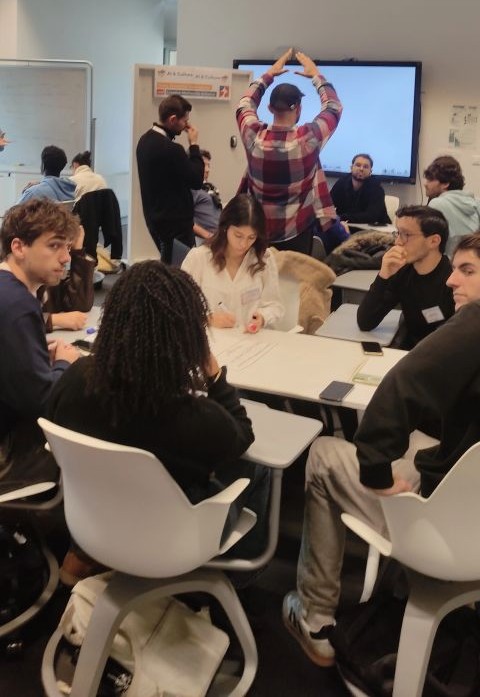
The Culture and AI Ideation Workshop, chaired by Josiane Mothe, Professor at Université de Toulouse, was designed to stimulate the students’ curiosity about research and encourage them to move from using or observing AI technologies to identifying questions that could themselves become subjects of investigation. The workshop began with a talk by Alan Smeaton, Professor at Dublin City University, who presented concrete examples of the use of artificial intelligence in relation to culture. He chose to exemplify the use of AI in the cinema industry. These examples provided starting points for thinking about the possibilities offered by AI, but also about the technical, cultural, and societal questions that emerge when artificial intelligence interacts with cultural content. Two members of the tiers-lieu and incubator of the Université de Toulouse, then introduced the principles of ideation and the collaborative approach that the students would use during the afternoon.
Working in small groups in a hackathon-like format, the students developed ideas around Culture and AI. Sixfacilitators helped the groups refine their ideas, question their initial assumptions, and develop their proposals.
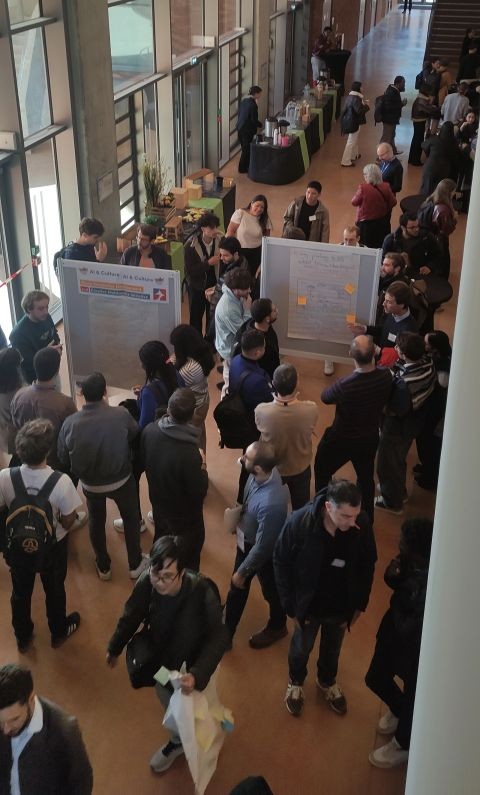
An important element of the activity was that it did not end with the workshop itself. The students subsequently presented their ideas during the CBMI poster session, alongside conference participants. This gave them the opportunity not only to formulate an idea but also to explain it, discuss it with researchers, answer questions, and receive feedback. An award was given to the best idea. It was given to “Art You Can Hear”, An AI-powered headphone that helps visually impaired visitors experience artwork through sound and touch. It combines spatial audio, haptic feedback, and a proximity sensor, by Usman Ashfaq, Syed Zulqarnain Haider, Hafiz Masood Ur Rehman, Aleksandra Ershova, Mohamad Khriess, Hancheng Chen. By the end of the day, the students were no longer simply visitors to the conference: they had themselves contributed to its discussions.
Research beyond formal presentations
The student initiative was also intended to highlight that a research conference is more than a succession of technical presentations. It is a space where ideas develop through formal talks, collaborative work, demonstrations, social events, and informal discussions, and where participants can engage with perspectives beyond their own immediate research context.
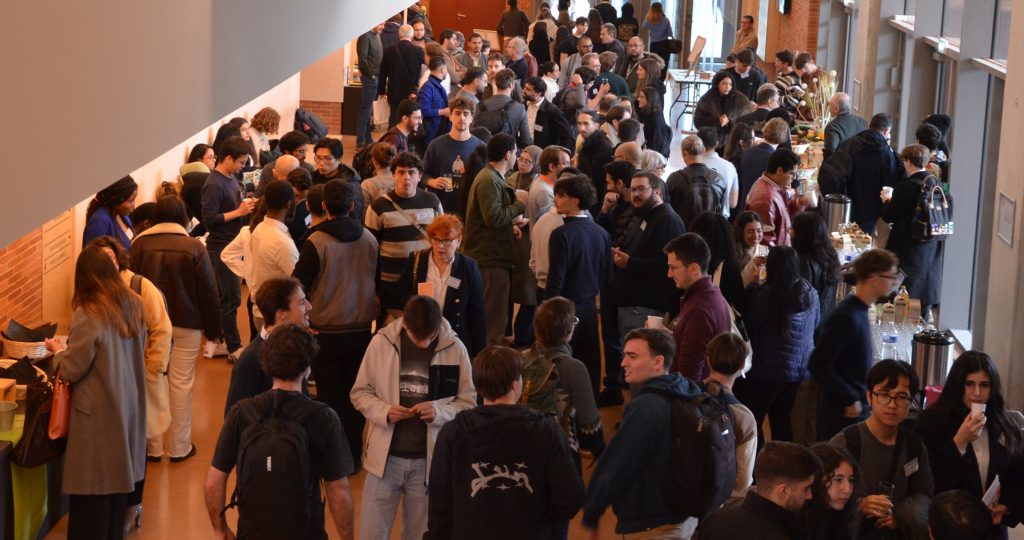
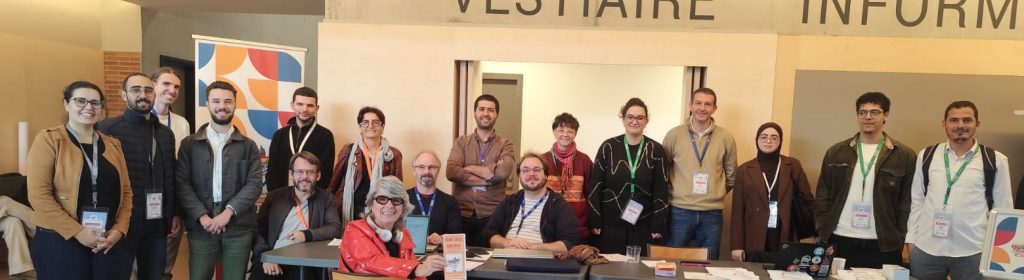
In this spirit, CBMI 2026 placed particular emphasis on international, intergenerational and interdisciplinary exchange among Master’s students, PhD students, and established researchers. Bringing together participants from 22 countries at different career stages and from different domains created opportunities to share experiences, approaches, and viewpoints, while opening the way to new ideas, connections, and potential collaborations.
CBMI 2026 also included the Music Meets Science event, which brought together the worlds of multimedia research and musical performance. The Occitan vocal trio Diluvienne performed during the event, offering another perspective on the relationship between technology and creative practice, encouraging participants to consider multimedia not simply as data to be processed, but also as content that is created, interpreted, and experienced by people.
CBMI 2027 will be hosted in Thessaloniki, Greece, from October 19 to 21.
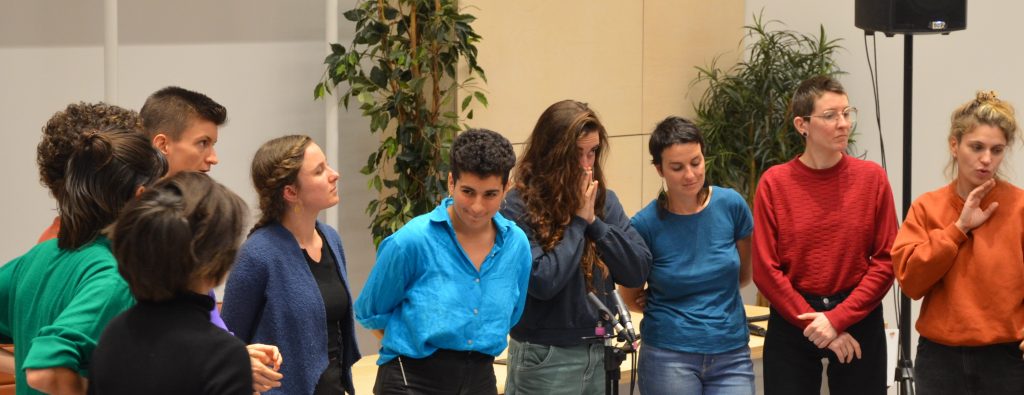
Photo by Hugo Boisaubert, Yohann Chasseray, Josiane Mothe. The latest is AI generated from 2 real photos